 Flamenco Show Barcelona
Is a Flamenco Show in Barcelona Worth It?
Last reviewed August 2026
Is a flamenco show in Barcelona worth it, or is it the tourist trap the forums keep calling it? Both, depending on which door you walk through. The art is Andalusian and this city sells plenty of staged spectacle, but it also holds a tablao that has run since 1970 and was named the best in the world in 2025, and the dancer many consider the greatest of the twentieth century was born on its beach. Here is how to tell the two apart before you pay.
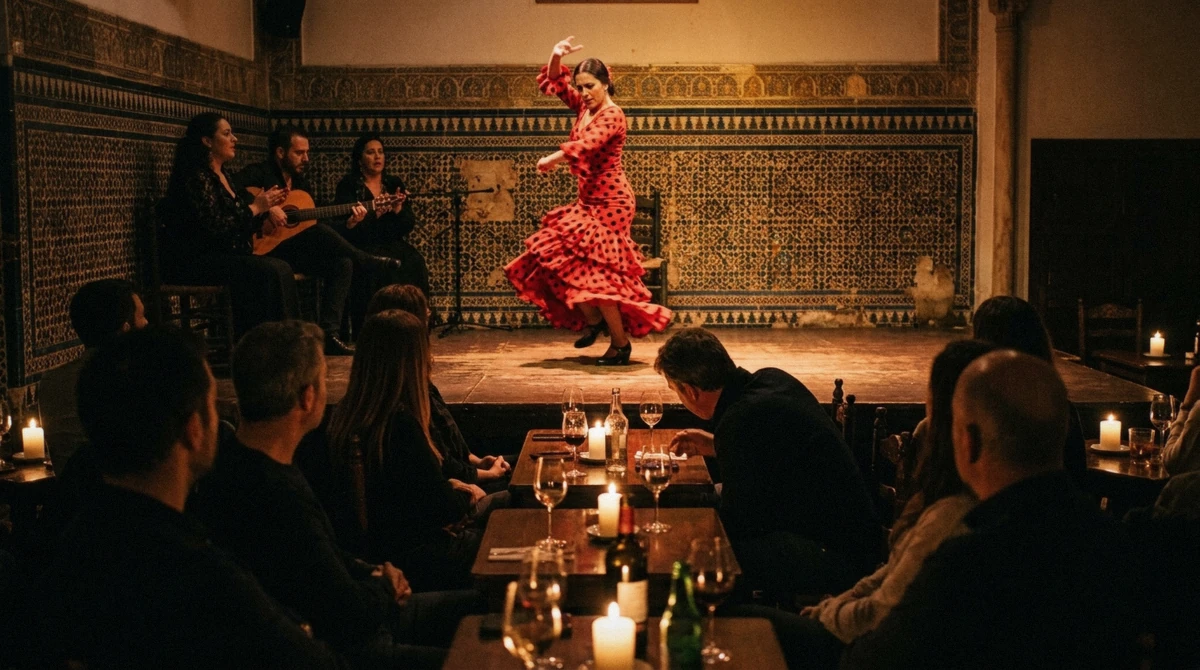
Quick answer The honest verdict, and the three things that decide your night
Yes, a flamenco show in Barcelona is worth it, but the venue decides everything and half the disappointment you read about comes from booking the wrong format. A room of 120 people with no microphones is a different art form from a 1,900-seat concert hall, and both are sold with the same three words. Pick the format first, price second.
Key takeaways
- The complaint is real: flamenco is Andalusian, and Barcelona has plenty of shows built for coach parties
- It is also incomplete: Carmen Amaya was born on this city's beach, and the 1970 tablao on La Rambla was named Best Tablao in the World 2025
- Room size, amplification and who is on stage decide the evening. Everything else is decoration
- Tickets in this comparison run from $23 for a theatre seat to $103 for a dinner package
- Short on budget? The honest cheap options beat a bad expensive show
- Ready to choose? Compare the flamenco shows in Barcelona side by side
The Case Against, and What Is True in It
Search forums and you find the same three objections, repeated for twenty years. Two of them are fair.
"Flamenco is not Catalan"
Correct. Flamenco was inscribed on UNESCO's Representative List of the Intangible Cultural Heritage of Humanity in 2010, listed for Spain with Andalusia named as its heartland. It grew in the Andalusian towns of Cádiz, Jerez and Seville, and nothing about it began here.
What the objection misses is migration. Andalusian and Roma families moved to Barcelona through the twentieth century and brought the art with them, and the city's tablaos have been booking the same touring professionals as Madrid and Seville for over fifty years.
"It is a tourist show"
Often true, and the giveaway is the room. A venue that seats several hundred people, amplifies the singer and runs four identical performances a night for coach groups is selling a spectacle. That is a legitimate product and some of them are enjoyable, but it is not the thing enthusiasts mean by flamenco.
The fix is not to avoid Barcelona. It is to book a room small enough that the performers do not need a microphone, which in practice means about 120 seats or fewer.
"It is expensive for an hour"
Partly fair. A €48 seat for 70 minutes looks steep next to a museum ticket until you count what is on stage: six to eight professional artists working a full programme in a room that cannot sell more than 120 tickets. The arithmetic of a small room is unforgiving, and it is why the cheapest seats in the city are always in the biggest theatres.
Why Barcelona Has Serious Flamenco Anyway
Two pieces of history explain why the argument is more interesting than it looks.
Carmen Amaya and the Somorrostro
Carmen Amaya was born into a Roma family in the Somorrostro, the shack settlement that stood on Barcelona's beach until the 1960s. She danced in the street as a child, toured the Americas, appeared in films and changed what the art expected of a woman on a stage by dancing in trousers with a force previously reserved for men.
She is one of the two or three most important dancers flamenco has produced, and she is from here. Tablao de Carmen was built in 1988 as a tribute to her, inside Poble Espanyol.
A tablao circuit that never stopped
Los Tarantos opened on Plaça Reial in 1963 and still runs. Tablao Cordobés opened on La Rambla in 1970, hosted Camarón de la Isla and Farruco, and in 2025 was named Best Tablao in the World by the Flamenco School of Andalusia.
That is a working circuit with sixty years of continuity, not a tourist product invented for cruise passengers.
The Three Things That Decide Whether Your Night Is Good
Ignore the adjectives in the listings. These are the variables that actually change the experience, and all three are printable facts you can check before booking.
1. How many seats the room holds
Under about 120 seats, you are close enough to see the dancer's face and hear the breath in the cante. Above a few hundred, you are watching a stage. El Paraigua's cellar holds a few dozen; Cordobés and El Duende cap at 120; the Palau de la Música seats 1,900.
| Format | Room size | Amplified | What you get | Typical price here |
|---|---|---|---|---|
| Cellar or small tablao | A few dozen to 120 | No | Breath, heel, palmas unprocessed; every seat close | $29 to $48 |
| Palace or mid-size tablao | Around 100 to 200 | Light | Close enough to read faces; more staging | $35 to $41 |
| Theatre | Several hundred | Yes | Bigger cast, lighting cues, numbered seat | $23 to $29 |
| Concert hall | 700 to 1,900 | Yes | Company production, longest programme, the building itself | $47 |
2. Whether anything is amplified
This is the single biggest divide and almost nobody advertises it. Cordobés states plainly that its show is performed without microphones, which is only possible because the room is small. Once you have heard footwork and cante arrive directly, the amplified version sounds like a recording of the same performance.
If a listing does not mention it, assume amplification.
3. Who is actually on stage
Serious venues name their artists. Cordobés lists names from the touring circuit: Jesús Carmona, José Maya, Alfonso Losa, Belén López. The City Hall Theatre names its dancers and singers too. A listing that describes atmosphere for four paragraphs and never names a performer is telling you something.
The corollary: a cheap ticket at a venue that names real artists is a better night than an expensive one at a venue that does not.
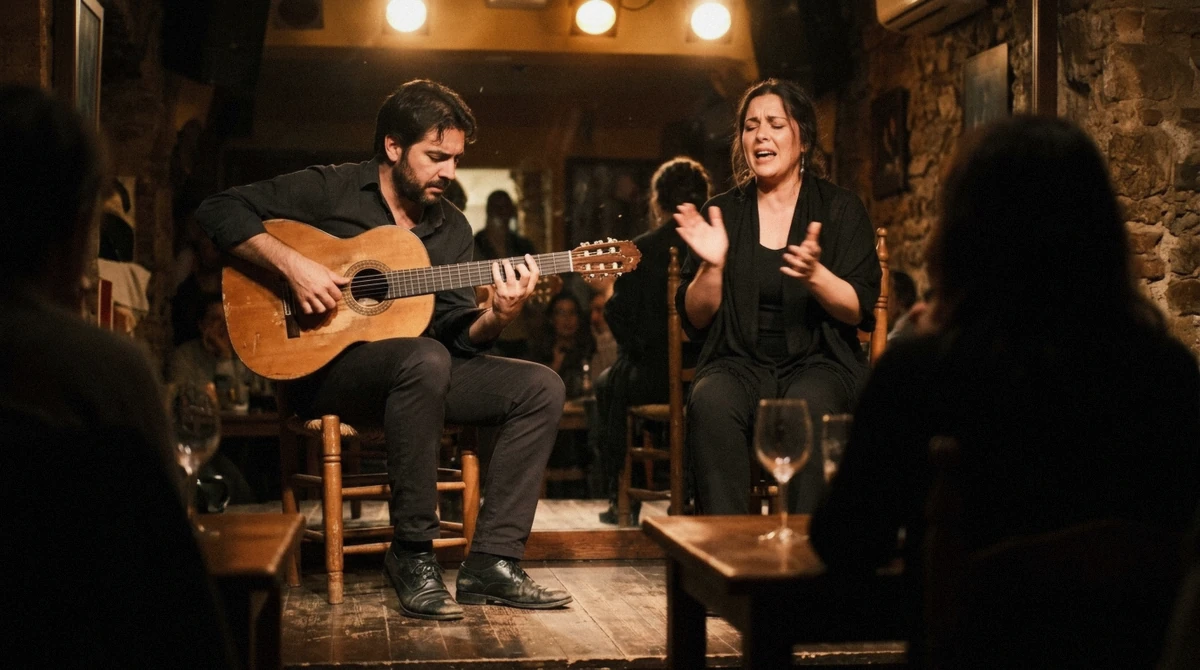
Flamenco in Barcelona: The Honest Balance
What we genuinely like
- +Sixty years of continuous tablao tradition, with rooms dating to 1963 and 1970
- +The best rooms play acoustically to 120 people or fewer, which is rarer than it sounds
- +Prices undercut Madrid's flagship tablaos, and free cancellation up to 24 hours is standard
- +Start times from 17:00 to 21:15, so a show fits around dinner rather than replacing it
- +Carmen Amaya, one of the great dancers of the art, was born in this city
The honest downsides
- −The art is Andalusian, and the deepest scene is still in Seville and Jerez
- −Several large venues sell a staged spectacle to coach groups at the same prices
- −An hour of flamenco is expensive per minute compared with most city attractions
- −The best rooms are small, so weekend dates disappear a week ahead
- −Two of the small rooms refuse under-4s and one has stairs with no lift
Who it's NOT for: Anyone expecting a late-night party: most shows finish by 22:00,Travellers who want to eat during the performance, which no real tablao allows,Anyone unwilling to sit in silence for an hour, which the acoustic rooms require
Which Room Is Right for You
If You want the art at its most direct
→ An unamplified tablao of 120 seats or fewer: Cordobés or the El Paraigua cellar
If You are testing whether flamenco is for you
→ A theatre ticket at City Hall or Teatro Flamenco: an hour, staged to be legible, at the lowest prices here
If You are booking late or need a specific hour
→ Palau Dalmases, four shows a night from 17:30 to 21:15
If The building matters as much as the dancing
→ Gran Gala Flamenco in the UNESCO-listed Palau de la Música Catalana
If You are on a tight budget
→ Skip the tablao and read the honest guide to free and cheap flamenco before you book anything
The Rooms Worth Your Money
Four venues that answer the objections above: small rooms, named artists, published start times. Prices are the lowest adult ticket read from each listing in August 2026.
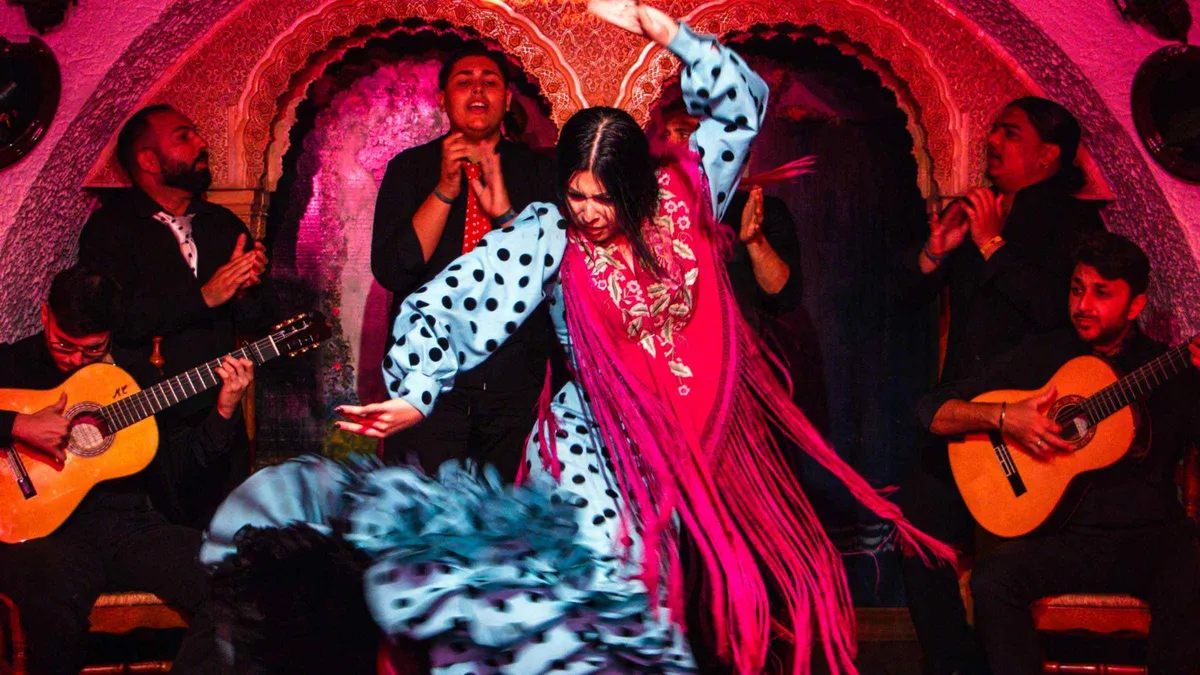 from $41Our pick
Tablao Flamenco Cordobés on La Rambla
The room the flamenco world takes seriously: family-run since 1970, Best Tablao in the World 2025, and no microphones, you hear the heels and the voice…
- Cancellation
- Free cancellation 24h
- Operator
- Tablao Flamenco Cordobes Barcelona
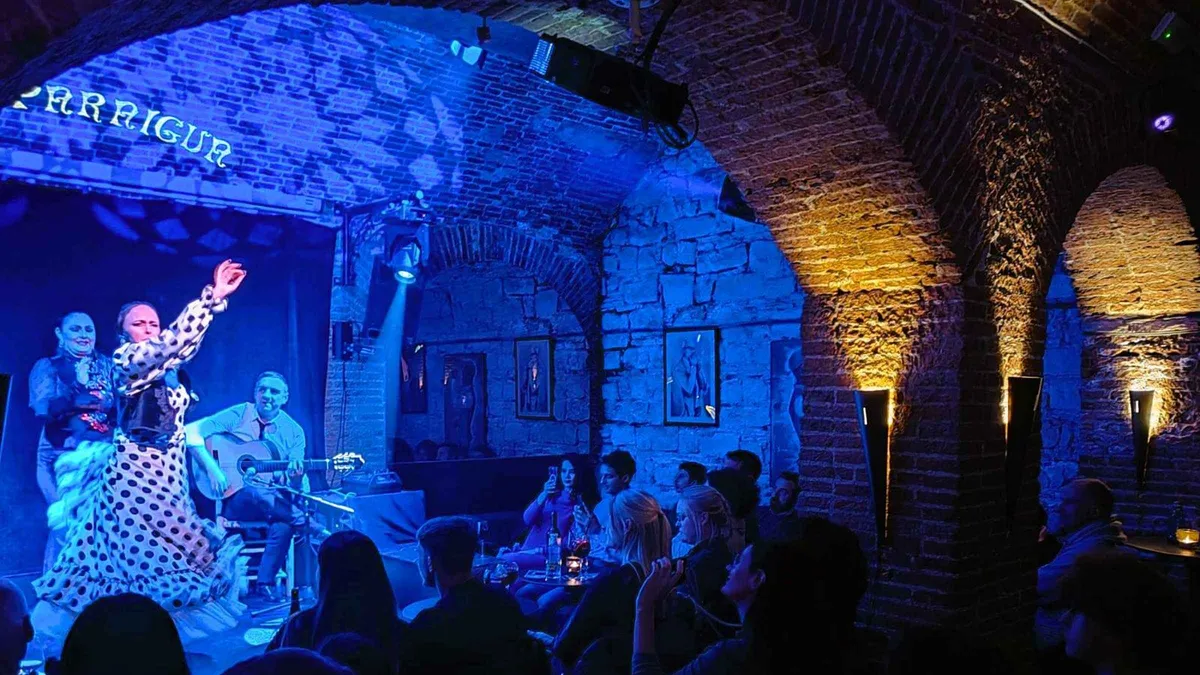 from $29Highest rated
Flamenco in the Cellar of El Paraigua
The highest-rated show on the page, 4.9 from 348 reviews, in the stone cellar of an 11th-century monastery under the Gothic Quarter. Everything runs to a…
- Cancellation
- Free cancellation 24h
- Operator
- Tablao Flamenco El Paraigua
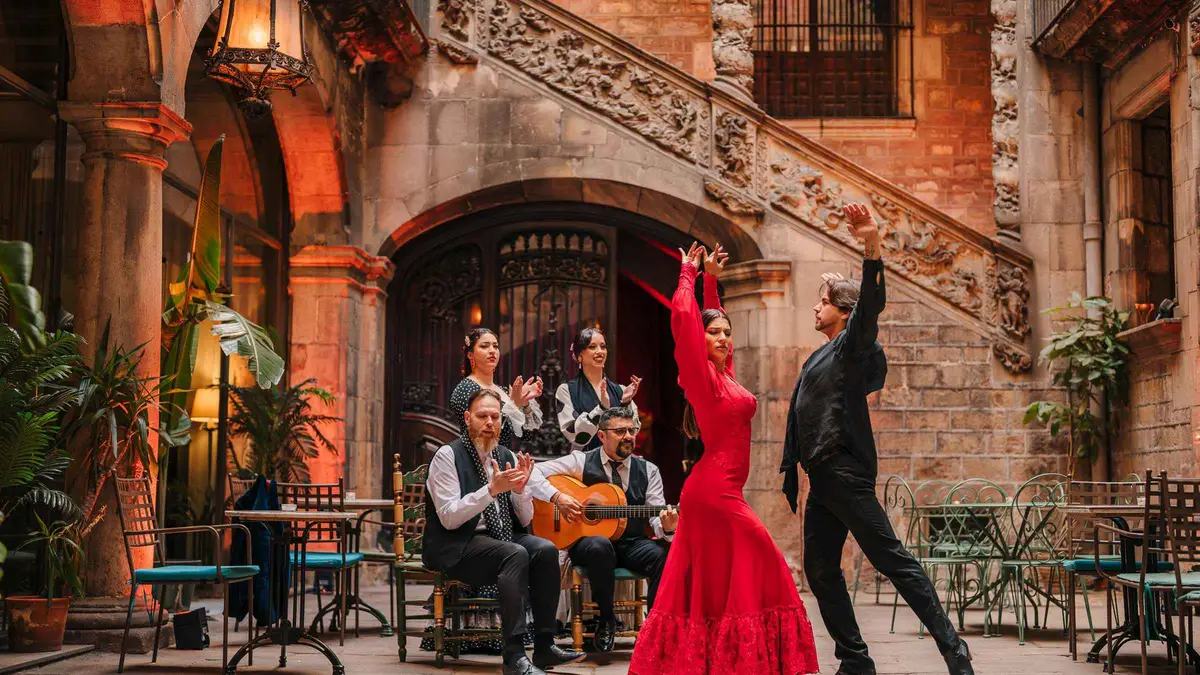 from $35Most shows nightly
Flamenco Show at Palau Dalmases
The palace room everyone finds first on Google, and the only venue here running four shows a night, so it is the one that still has…
- Cancellation
- Free cancellation 24h
- Operator
- Palau Dalmases
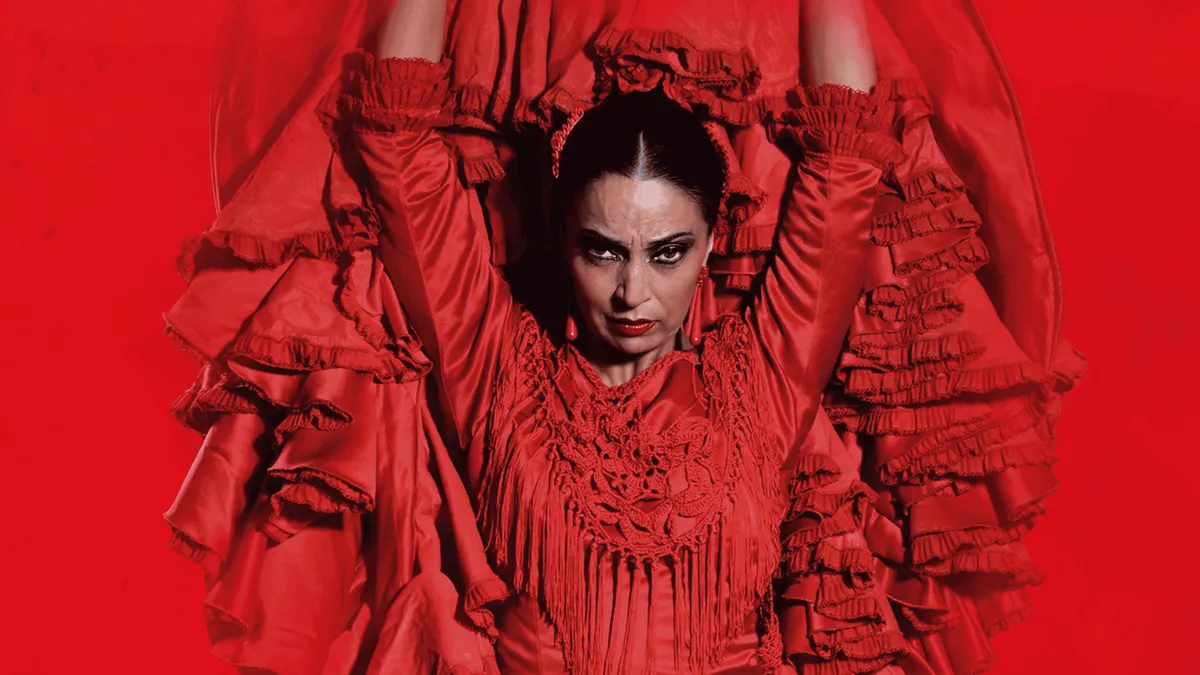 from $23Lowest price
Teatro Flamenco Barcelona: Inspiración
The cheapest way into a real room rather than a bar corner, and the earliest curtain in the city, the 17:00 slot leaves the whole evening…
- Cancellation
- Free cancellation 24h
- Operator
- Teatro Flamenco Barcelona
Barcelona, Madrid or Seville
If your trip covers more than one Spanish city, the honest ranking is not the one Barcelona venues would give you.
Seville and Jerez
The heartland. Seville has the deeper amateur scene, the peñas where the art lives outside the ticketed circuit, and the Museo del Baile Flamenco; Jerez is where a great deal of the repertoire comes from. If flamenco is the reason for your trip, go there.
What Seville does not have is a monopoly. The tablao circuit is national, and the artists tour.
Madrid
The other serious tablao city, with Corral de la Morería and Casa Patas as the reference rooms and prices to match. Comparable quality to Barcelona's best, generally higher ticket prices.
Barcelona
Better than its reputation and worse than Seville. Two rooms here are genuinely first rank, several more are honest, and a handful are exactly the tourist product the forums warn about. The difference between them is visible in the listing before you pay: seats, microphones, names.
That is the whole argument of this site, and it is why the comparison of every flamenco venue in Barcelona prints room size and start times next to the price.
| City | What it is strongest at | Typical tablao seat | Watch out for |
|---|---|---|---|
| Seville and Jerez | The living scene: peñas, festivals, the deepest repertoire | €35 to €45 | Shows aimed squarely at day-trippers near the cathedral |
| Madrid | The classic tablao circuit, Corral de la Morería and Casa Patas | €45 to €60 and up | The highest prices in Spain |
| Barcelona | Two first-rank rooms plus sixty years of continuity | €23 to €48 on the listings here | Large staged shows sold with the same words as small ones |
How to Book So You Do Not Regret It
Five checks, in the order that matters.
Work down this list
Check the room size first, the microphones second, the artists third. Then look at the clock, because a 21:15 curtain rules out an early dinner and a 17:00 one leaves the evening free. Price is the last thing to compare, not the first.
- Room holds 120 people or fewer, if closeness matters to you
- The listing says acoustic or names no sound system
- Named artists, not just adjectives
- A start time that fits your dinner plans, not the other way round
- Free cancellation up to 24 hours, which every listing here carries
- Age limits checked if you are bringing children under 4
What to do if you only have one evening
Book the acoustic tablao and pay for the closer seat. If it is sold out, Palau Dalmases runs four shows a night and usually still has space, and the theatre off Plaça de Catalunya is the largest room in the comparison, so it is the reliable late booking.
Questions Travellers Ask Before Booking
Is a flamenco show in Barcelona worth it?
Yes, if you book a room small enough to be unamplified and a venue that names its artists. The disappointment people describe is almost always a large staged show bought expecting an intimate one. The comparison prints room size, start time and what the ticket includes for every venue.
Is flamenco in Barcelona a tourist trap?
Some venues are. The reliable filter is capacity: under about 120 seats a show cannot be amplified and cannot be run as a conveyor belt. Rooms like Cordobés, founded 1970 and named Best Tablao in the World 2025, and the cellar at El Paraigua sit firmly on the other side of that line.
Is it better to see flamenco in Madrid or Barcelona?
Madrid has the deeper tablao tradition and higher prices; Seville and Jerez have the heartland scene. Barcelona's best two rooms are competitive with either, and the artists tour between all of them. If you are only in Barcelona, you are not settling for a lesser art form.
How much should a good flamenco show cost?
In this comparison, from $23 for a theatre seat to $103 for a dinner package, with the acoustic tablaos in the middle at around €48 for the seat. Paying more does not automatically buy a better room, and paying less at a venue that names its artists often does.
How long does a flamenco show last?
Fifty to seventy-five minutes. The cellar at El Paraigua runs exactly 21:00 to 22:00, most tablaos run 55 to 70 minutes, and Gran Gala Flamenco at 75 minutes is the longest programme compared here.
What should I wear to a flamenco show in Barcelona?
Smart casual. No venue here publishes a dress code, but the rooms are evening rooms and the small ones are air-conditioned enough to want a layer. There is a full answer in what to wear to a flamenco show.
Do I need to book in advance?
For the small rooms, yes, a week ahead at weekends. The theatres often have seats on the day. Every listing here is free to cancel up to 24 hours before the show, so an early booking costs nothing.
The question is not really whether flamenco in Barcelona is worth it. It is whether the specific room you are about to book is small enough, honest enough and staffed by people whose names the venue is willing to print. Two of the rooms here clear that bar comfortably, several more clear it well enough, and the listing tells you which is which before you pay.
Room size, start time and what the ticket includes, for every venue in the city.